
The March of Return, which coincides with Israeli Independence Day, calls for the right of return for Palestinians who were expelled from or fled the land in 1948.
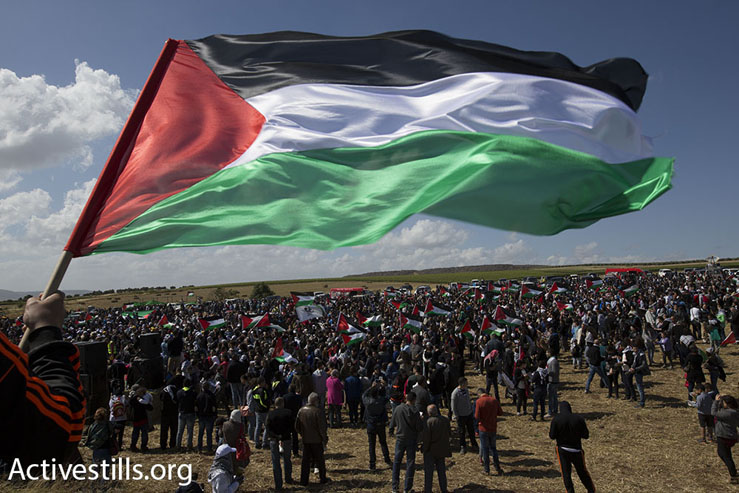
Approximately 10,000 people of all ages — mostly Palestinian citizens of Israel — took part in the 18th annual March of Return Thursday, on the land where the destroyed Palestinian village of Hadatha once stood. Setting out under an ominous sky, the demonstrators walked across the lands of the former village, wearing keffiyehs, waving flags and singing. The looming tempest eventually broke, but the march continued unabated.
The March of Return, which always coincides with Israeli Independence Day, commemorates the Nakba and calls for the right of return for Palestinians who were expelled from or fled the land in 1948. The destination changes each year, to one of the more than 400 villages that were destroyed during or following the war. Hadatha, which is located southwest of Tiberias in the Lower Galilee, had around 600 inhabitants before being depopulated across May and June of 1948; now, the area consists of wild fields and scattered groves of trees.
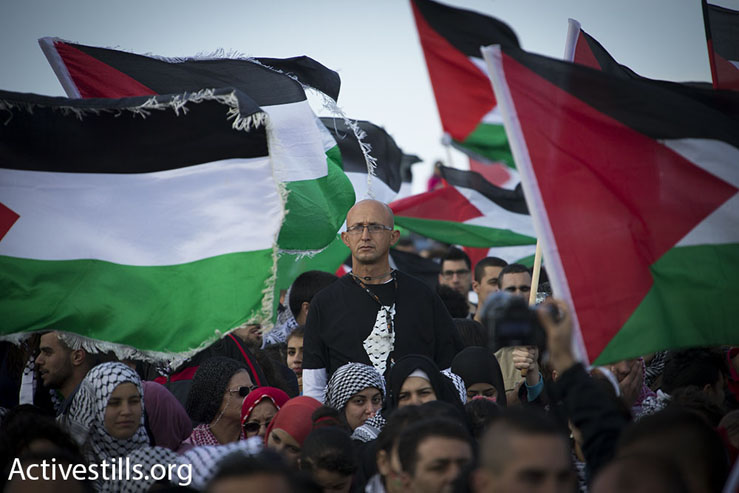
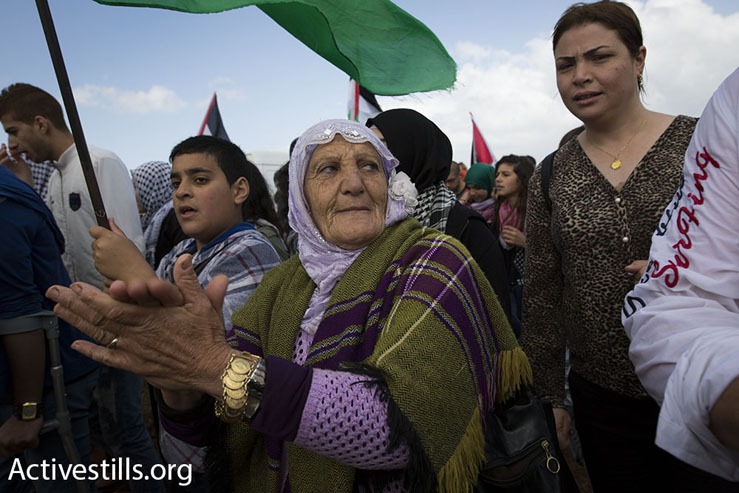
As the rain subsided, the march — organized by the Association for the Defense of the Rights of the Displaced People (ADRID) — congregated in a field where a stage and sound system had been set up along with photo and art exhibitions, gift stalls, and tables laid out with booklets and posters. Amid music, chanting, dancing and speeches, a one-minute moment of silence was held in memory of Palestinians who have been killed during the struggle for national recognition and rights. A number of Knesset members from the Joint List were present, including MKs Ayman Odeh and Ahmad Tibi.
“These are Israeli citizens. They have Israeli identity cards. And they remain in this country,” explained Joint List chairman Ayman Odeh. “They fled during the war from one village to the next one. And they were not allowed to return.”
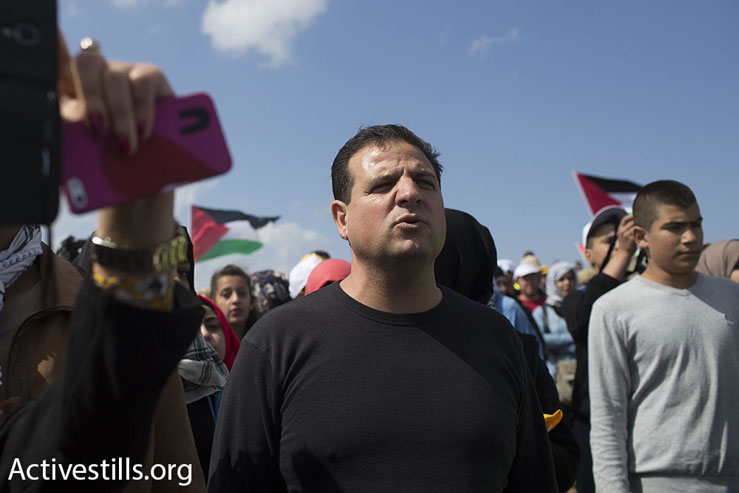
“So tell me, what is the problem with them returning?” Odeh continued. “What is the problem with residents of Hadatha returning here? What is the problem with residents of Tzipori [Sepphoris] who fled from Tzipori to Nazareth during wartime returning? It is a good thing for all of us, that the Nakba and Israeli injustice be recognized.”
Next to him, poet and resident of the Upper Galilee Atif Khaldi added: “In 1948, they came with bulldozers and destroyed our villages. It was a plan to transfer Palestinians out of the country. Now, we refugees remain inside the country and they are ignoring our rights. This demonstration is to demand those rights.”
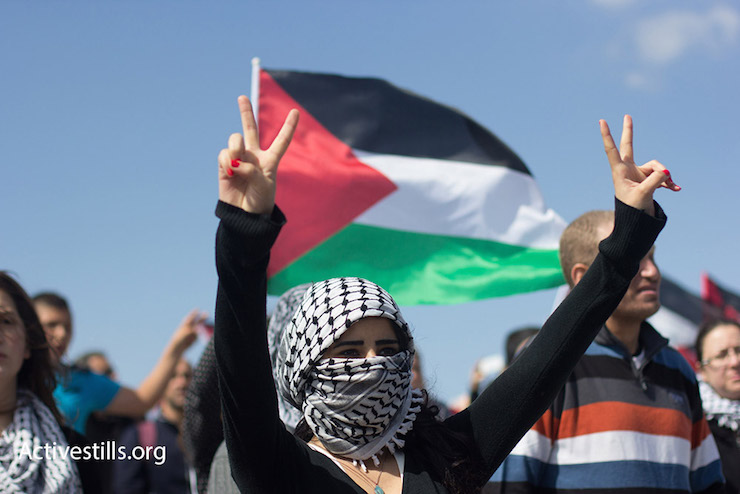
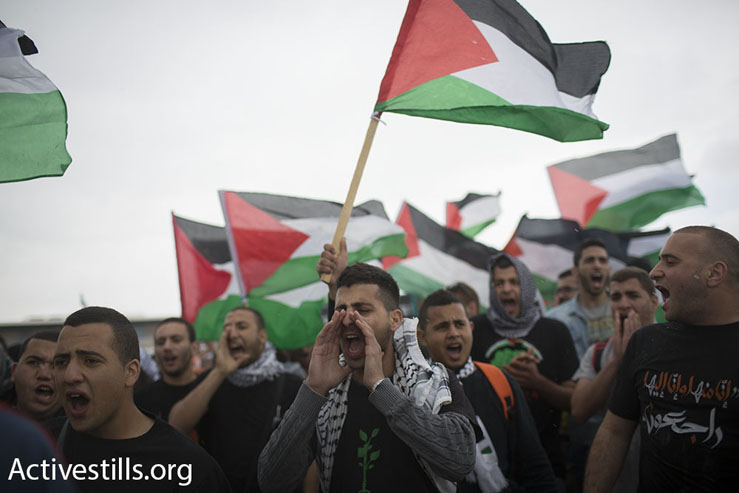
Throughout the crowd, symbols of the Palestinian struggle abounded: keys, the outline of historic Palestine and Handala — a cartoon child that represents Palestinian refugees — appeared on t-shirts and necklaces throughout. Hundreds of people carried yellow signs bearing the names of destroyed villages.
These are motifs that are rarely seen and barely understood in Israeli society, and their meaning forms part of a discussion which urgently needs to take place. The importance of recognizing the Nakba was the overarching message of the day, and even as Israelis around the country celebrated Independence Day, a message for them was making its way around Hadatha in the form of a Hebrew sticker. It said, simply: “Nakba. Let’s talk about it.”