
In partnership with

Ahmad, a veteran mechanic in Ramallah, wipes black grease from his hands with a tattered rag as he surveys a disassembled car engine in his workshop. In recent weeks, he tells +972 Magazine, he has seen a sharp rise in vehicles damaged by contaminated or adulterated fuel, which corrodes fuel pumps, clogs injectors, and ruins spark plugs.
For motorists already squeezed by rising living costs and an unemployment crisis, the repairs are another expense many can ill afford. But as official fuel supplies in the West Bank have dwindled this summer, many of Ahmad’s customers have had no choice but to purchase low-grade alternatives diluted with cheap additives and sold through informal channels.
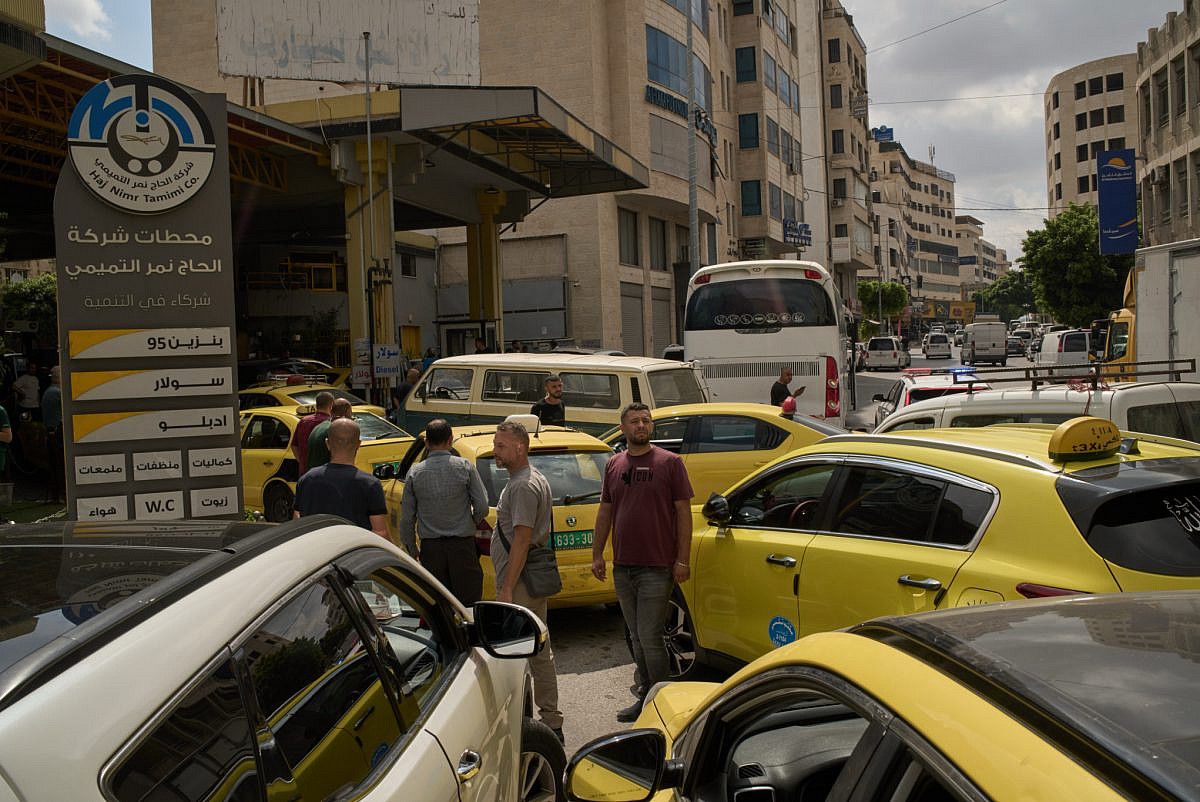
Outside Ahmad’s workshop, cars stretch along the road in Al-Bireh, Ramallah’s adjoining city, waiting at one of the area’s main gas stations. Drivers refresh WhatsApp and social media groups that have become ad-hoc tracking networks for stations that still have fuel. Attendants wave motorists away as pumps run dry.
For many Palestinians, however, the question is not simply whether fuel is available, but if they are able to reach it.
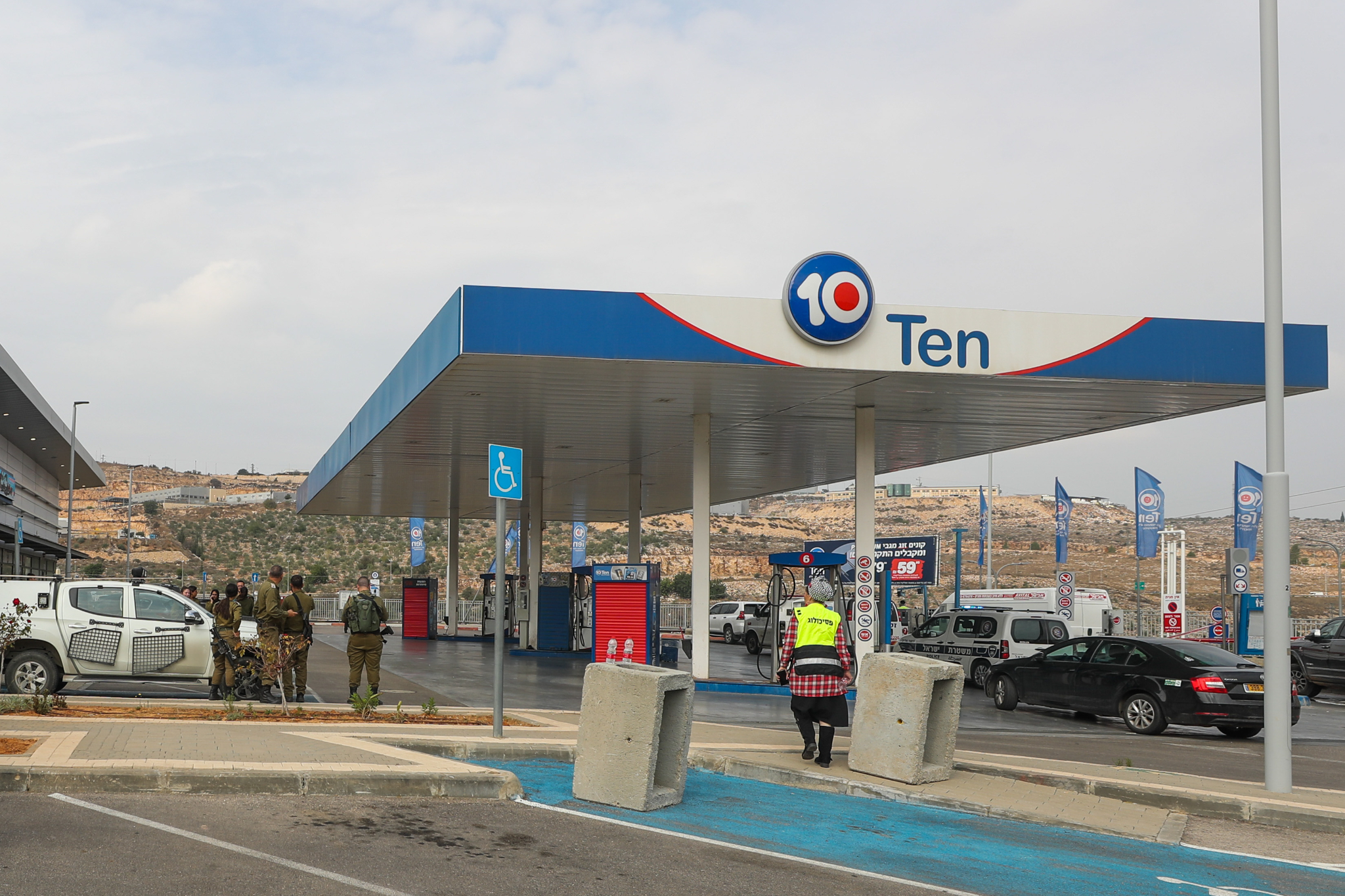
In late July, Palestinian laborers in the Barkan Industrial Zone in the northern West Bank received verbal warnings and WhatsApp messages from security officials in the neighboring settlement of Ariel, instructing them not to refuel at gas stations inside and near the entrance of the settlement. Workers were reportedly told that they could face arrest, interrogation, or the loss of their work permits if they disobeyed.
The restrictions are one manifestation of the fuel crisis plaguing the West Bank. Under the framework established by the 1994 Paris Protocol, the economic agreement signed between Israel and the Palestinian Liberation Organization (PLO) as part of the Oslo process, the West Bank remains heavily dependent on fuel entering through Israeli-controlled channels.
At the same time, Israel’s withholding of Palestinian clearance revenues — taxes and customs duties Israel collects on the Palestinian Authority’s behalf and transfers to Ramallah — has pushed the PA into an acute fiscal crisis. In an effort to recover lost revenue, the cash-strapped PA has intensified its campaign against fuel smuggling and tax leakage.
With little meaningful strategic reserve, even relatively short disruptions can quickly become shortages. Together, these pressures have turned an everyday commodity into a scarce resource, illuminating the extent of the West Bank’s broader political and economic dependency on Israel.
Those vulnerabilities, triggered by a sharp deterioration in the local security environment, became even more visible after a deadly incident in the village of Tel, near Nablus, on July 24. What began as an attack on Palestinian homes by over 20 settlers from Havat Gilad escalated into an armed confrontation involving Israeli soldiers, which left four Palestinians, one settler, and one soldier dead. The Israeli military then imposed a sweeping dragnet of road closures, checkpoints, and movement bans.
Under these heightened measures, settlements like Ariel closed their gates to Palestinian laborers, effectively cutting off their access to gas stations that they had used as an alternative source of fuel. The incident juxtaposed Palestinians’ lack of basic freedom of movement and access to energy with the unfettered fuel supplies enjoyed by neighboring Israeli settlers.